

How a Cosmetic Dentist in Terryville, CT Can Help You Feel More Confident in Your Smile
A healthy, confident smile can make everyday moments feel easier, from laughing with friends to speaking up at work or smiling for photos. For many patients, small concerns like staining, chips, uneven edges, gaps, or worn teeth can affect how comfortable they feel showing their smile.
That is where a cosmetic dentist in Terryville, CT can help. Cosmetic dentistry focuses on improving the appearance of the teeth and gums while also supporting comfort, function, and long-term oral health. The goal is not to create a “one-size-fits-all” smile. It is to help each patient find a look that feels natural, healthy, and personal.
Every smile is different, so treatment recommendations should always come from a dental professional after an exam. This article is for general education only and should not replace personalized dental advice, diagnosis, or treatment planning.
What Does a Cosmetic Dentist Do?
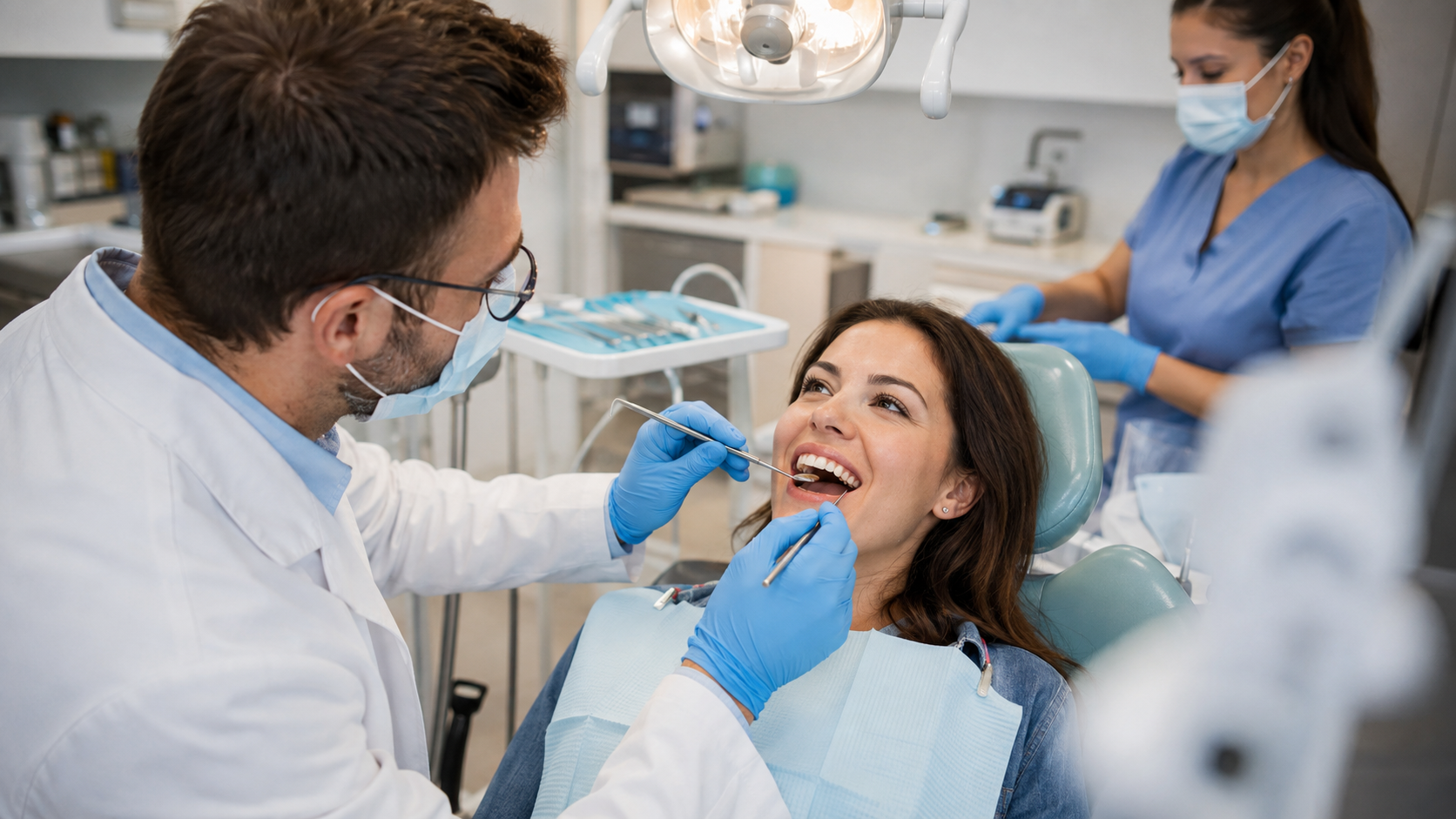
A cosmetic dentist helps improve the look of a patient’s smile. This may include the color, shape, size, spacing, alignment, or overall balance of the teeth. Many cosmetic treatments also have practical benefits, such as repairing damaged enamel, protecting weakened teeth, or making teeth easier to clean.
For example, a chipped front tooth may be a cosmetic concern because it changes the smile’s appearance. But it may also create a rough edge that irritates the tongue or becomes harder to keep clean. A cosmetic solution can often address both concerns at the same time.
Cosmetic dentistry may include simple improvements, such as professional whitening, or more detailed treatment plans involving veneers, bonding, crowns, or clear aligners. A thoughtful dentist will look at the whole picture: oral health, bite function, gum condition, facial features, lifestyle, and the patient’s goals.
Common Reasons Patients Consider Cosmetic Dentistry
Patients visit a cosmetic dentist for many reasons. Some have lived with a smile concern for years, while others notice changes after aging, injury, orthodontic relapse, or dental wear. Common concerns include:
- Yellow, dull, or stained teeth
- Small chips or cracks
- Uneven tooth edges
- Gaps between teeth
- Teeth that look too short, worn, or misshapen
- Older dental work that no longer blends in
- Mild crowding or spacing
- A smile that feels unbalanced or asymmetrical
Some patients want a noticeable smile transformation. Others prefer a subtle refresh that still looks like their natural smile, just brighter or more even. A good cosmetic consultation should include a conversation about the patient’s preferences, comfort level, timeline, and budget.
Popular Cosmetic Dental Treatments
Modern cosmetic dentistry offers several ways to improve a smile. The right option depends on the condition of the teeth, the patient’s goals, and what is healthiest for the mouth over time.
Professional Teeth Whitening
Teeth whitening is one of the most common cosmetic dental treatments. It helps reduce stains caused by coffee, tea, red wine, tobacco, certain foods, and natural aging. Professional whitening is typically stronger and more predictable than over-the-counter products.
Whitening works best on natural tooth enamel. It does not change the color of crowns, veneers, fillings, or bonding. That is why patients with visible dental work should speak with a dentist before whitening, especially if they want an even shade across the whole smile.
Dental Bonding
Dental bonding uses tooth-colored composite resin to repair or reshape teeth. It can help improve small chips, gaps, discoloration, or uneven edges. Bonding is often a conservative option because it usually requires little to no removal of natural tooth structure.
Bonding can be a great choice for small changes, but it may not last as long as porcelain restorations. It can also stain or chip over time, depending on bite habits, diet, and home care. A dentist can explain whether bonding is a good fit for the specific concern.
Porcelain Veneers
Veneers are thin, custom-made shells that cover the front surface of teeth. They can improve the appearance of teeth that are stained, worn, chipped, uneven, or slightly spaced. Veneers are often chosen for front teeth because they can create a smooth, natural-looking result.
Porcelain veneers are designed to match the patient’s desired shade and shape. They are durable, but they still require healthy habits and regular dental visits. Patients who grind their teeth may need a nightguard to help protect veneers and natural teeth.
Tooth-Colored Crowns
A dental crown covers the entire visible portion of a tooth. Crowns may be recommended when a tooth is cracked, heavily filled, weakened, or significantly worn. In cosmetic dentistry, crowns can improve appearance while also restoring strength and function.
Modern tooth-colored crowns are made to blend with surrounding teeth. They can be especially helpful when a tooth needs more support than bonding or a veneer can provide.
Clear Aligners and Cosmetic Orthodontic Options
Some cosmetic concerns are related to tooth position. Mild crowding, spacing, or shifting can affect how the smile looks and how easy the teeth are to clean. Clear aligners may help guide teeth into better alignment without traditional metal braces.
Alignment treatment is not just about appearance. Straighter teeth may be easier to brush and floss, and a healthier bite may reduce uneven wear. Not every patient is a candidate, so a dentist or orthodontic provider should evaluate the bite and tooth movement needs.
Gum Contouring or Smile Balance
Sometimes the teeth are healthy, but the gumline makes the smile appear uneven or “gummy.” Gum contouring may be an option for selected patients. This treatment reshapes the gumline to create better balance between the teeth and gums.
Because gum tissue health matters, a dentist must first check for inflammation, recession, or periodontal concerns before recommending any cosmetic gum procedure.
Cosmetic Dentistry Should Start With Oral Health
A beautiful smile begins with a healthy foundation. Before cosmetic treatment, a dentist will usually look for cavities, gum disease, enamel wear, bite problems, infection, and other concerns. Treating these issues first helps cosmetic results last longer and feel more comfortable.
For example, whitening irritated gums or placing veneers over untreated decay would not support long-term health. In many cases, preventive or restorative care comes first, followed by cosmetic improvements once the mouth is stable.
This approach protects the patient’s investment and supports a result that looks good, feels good, and functions well.
What to Expect During a Cosmetic Dental Consultation
A cosmetic dental consultation is a chance to talk openly about smile goals and learn what options may be realistic. Patients do not need to know exactly which treatment they want before the visit. It is enough to explain what bothers them and what kind of change they hope to see.
During the consultation, the dental team may:
- Review the patient’s dental and medical history
- Ask about smile goals, concerns, and expectations
- Examine the teeth, gums, bite, and existing dental work
- Take digital X-rays or photos if needed
- Discuss treatment options, timelines, and maintenance
- Explain potential risks, limitations, and alternatives
Some patients benefit from a phased treatment plan. This means care is completed in steps instead of all at once. A phased plan can help patients prioritize urgent needs, spread out appointments, and make decisions at a comfortable pace.
How to Choose the Right Cosmetic Dentist in Terryville, CT
Choosing a cosmetic dentist is a personal decision. Patients should feel comfortable asking questions and sharing concerns. A trustworthy dental team will listen carefully, explain options clearly, and avoid pressuring patients into treatment.
When looking for a cosmetic dentist in Terryville, CT, patients may want to consider:
- Communication style: Does the dentist explain treatment in simple, understandable terms?
- Comfort-focused care: Does the office help patients feel at ease during visits?
- Comprehensive evaluation: Does the dentist check oral health before recommending cosmetic work?
- Natural-looking results: Does the dentist discuss shade, shape, and facial balance?
- Clear expectations: Are the benefits, limitations, costs, and maintenance needs explained?
- Personalized planning: Is the treatment plan based on the patient’s goals and dental health?
Patients should also ask how long a treatment may last, whether repairs may be needed later, and what habits can help protect the results.
Will Cosmetic Dentistry Look Natural?
One of the biggest concerns patients have is whether cosmetic dental work will look too bright, bulky, or artificial. Modern cosmetic dentistry is designed to look natural when planned carefully. The best results usually complement the patient’s face, smile line, age, and personality.
A natural-looking smile is not always perfectly identical from tooth to tooth. Real teeth have gentle variations in shape, shade, and translucency. A skilled cosmetic approach considers these details so the smile looks refreshed rather than overdone.
Patients can often choose how dramatic or subtle they want their results to be. Some prefer a bright, polished smile, while others want small changes that friends and family may notice only as “you look great.”
How Long Do Cosmetic Dental Results Last?
The lifespan of cosmetic dentistry depends on the treatment, materials, oral hygiene, bite forces, diet, and regular dental care. Whitening may need touch-ups over time. Bonding may last several years but can stain or chip. Veneers and crowns may last longer with proper care, but they are not permanent and may eventually need replacement.
Patients can help protect their results by brushing twice daily, flossing once daily, keeping routine dental visits, wearing a nightguard if recommended, and avoiding habits like chewing ice, biting fingernails, or using teeth as tools.
It is also helpful to limit stain-heavy foods and drinks after whitening or cosmetic bonding. Coffee and tea lovers do not always need to give up their favorites, but rinsing with water afterward and maintaining good home care can make a difference.
Is Cosmetic Dentistry Right for Everyone?
Cosmetic dentistry can help many patients, but the best treatment depends on dental health, goals, and expectations. Some patients may need gum treatment, cavity repair, orthodontic care, or bite stabilization before cosmetic work. Others may be able to start with a simple option like whitening or bonding.
Patients with tooth pain, bleeding gums, loose teeth, untreated decay, or jaw discomfort should schedule a dental evaluation before focusing on cosmetic changes. Addressing these concerns first can improve comfort and create a healthier foundation for future smile improvements.
A cosmetic consultation does not obligate a patient to move forward. It simply gives them information, options, and a clearer path toward the smile they want.
Questions to Ask Before Starting Cosmetic Dental Treatment
Good questions can make the treatment planning process feel less overwhelming. Before starting cosmetic dentistry, patients may want to ask:
- What treatment options are available for this concern?
- Which option is the most conservative?
- How long might the results last?
- Will the treatment affect natural tooth structure?
- How many visits may be needed?
- What maintenance will be required?
- Are there risks or limitations to consider?
- What happens if the restoration chips, stains, or wears down?
A patient-centered dental team will welcome these questions. Clear answers help patients make confident decisions without feeling rushed.
FAQ About Cosmetic Dentistry
What is the difference between a cosmetic dentist and a general dentist?
A general dentist focuses on overall oral health, including exams, cleanings, fillings, gum care, and restorative treatment. A cosmetic dentist also focuses on improving the appearance of the smile. Many dentists provide both general and cosmetic services, especially when appearance and function overlap.
Does cosmetic dentistry hurt?
Many cosmetic treatments are designed with patient comfort in mind. Whitening, bonding, and some veneer or crown procedures may involve little discomfort, though sensitivity can happen. The dental team can explain what to expect and discuss comfort options before treatment begins.
How much does cosmetic dentistry cost?
Cost varies based on the treatment type, number of teeth involved, materials used, and complexity of the case. Whitening is usually less costly than veneers or crowns. A consultation is the best way to receive a personalized estimate and discuss payment options if available.
Can stained teeth always be whitened?
Not always. Professional whitening works best on natural enamel stains. Discoloration from certain medications, trauma, enamel defects, or old dental work may need other solutions, such as bonding, veneers, or crowns. A dentist can identify the likely cause of discoloration.
Are veneers permanent?
Veneers are considered a long-term treatment, but they are not permanent. Some types require removal of a small amount of enamel, which means the tooth will likely need ongoing coverage. Veneers may eventually need repair or replacement.
How can patients keep cosmetic dental work looking good?
Patients can maintain results by brushing, flossing, attending regular dental checkups, avoiding chewing hard objects, wearing a nightguard if recommended, and limiting habits that cause staining. Consistent preventive care is one of the best ways to protect a cosmetic smile.
A More Confident Smile Starts With a Conversation
Cosmetic dentistry is not just about appearance. It can help patients feel more comfortable, more confident, and more at ease in daily life. Whether someone wants a brighter smile, a small chip repaired, or a more complete smile makeover, the first step is a thoughtful dental consultation.
Patients looking for a cosmetic dentist in Terryville, CT can contact Smile Center CT to ask questions, discuss goals, and learn which options may fit their smile, comfort level, and oral health needs. A friendly conversation with a dental professional can help turn uncertainty into a clear, personalized plan.
