
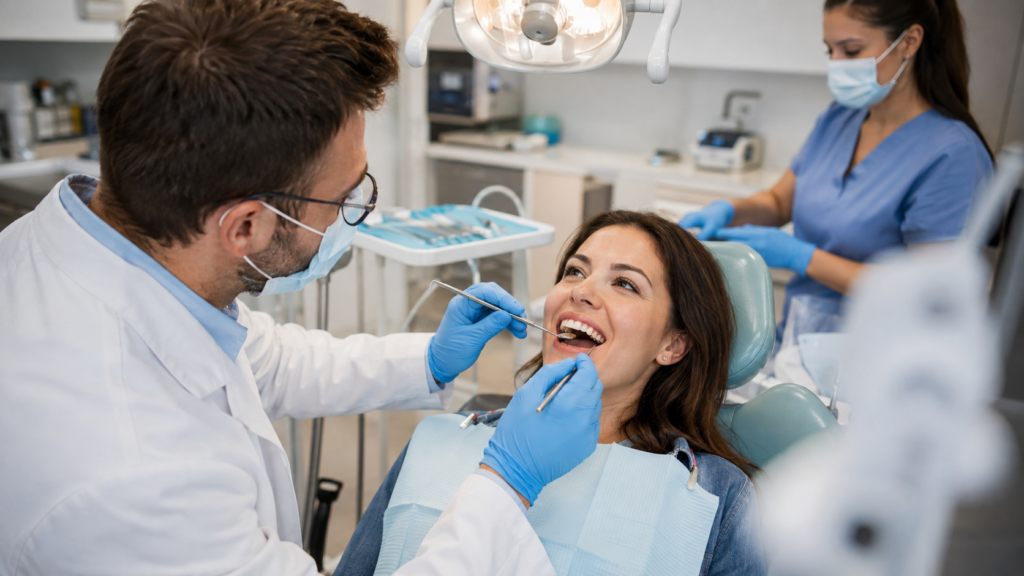
Implant Dentistry in Terryville, CT: A Patient-Friendly Guide to Replacing Missing Teeth
A missing tooth can affect much more than the appearance of a smile. It may make chewing uncomfortable, change how clearly a person speaks, or cause them to avoid smiling in photos. Fortunately, modern implant dentistry offers several ways to replace missing teeth with restorations designed to look and function much like natural teeth.
For people researching implant dentistry in Terryville, CT, understanding the process can make the first consultation feel much less intimidating. Dental implant treatment is not a single procedure for every patient. It is a personalized process that considers oral health, bone support, medical history, comfort preferences, and the number of teeth that need replacement.
This article provides general educational information and is not a diagnosis or treatment recommendation. A dentist or qualified medical professional should evaluate individual symptoms, health risks, and treatment needs.
What Is Implant Dentistry?
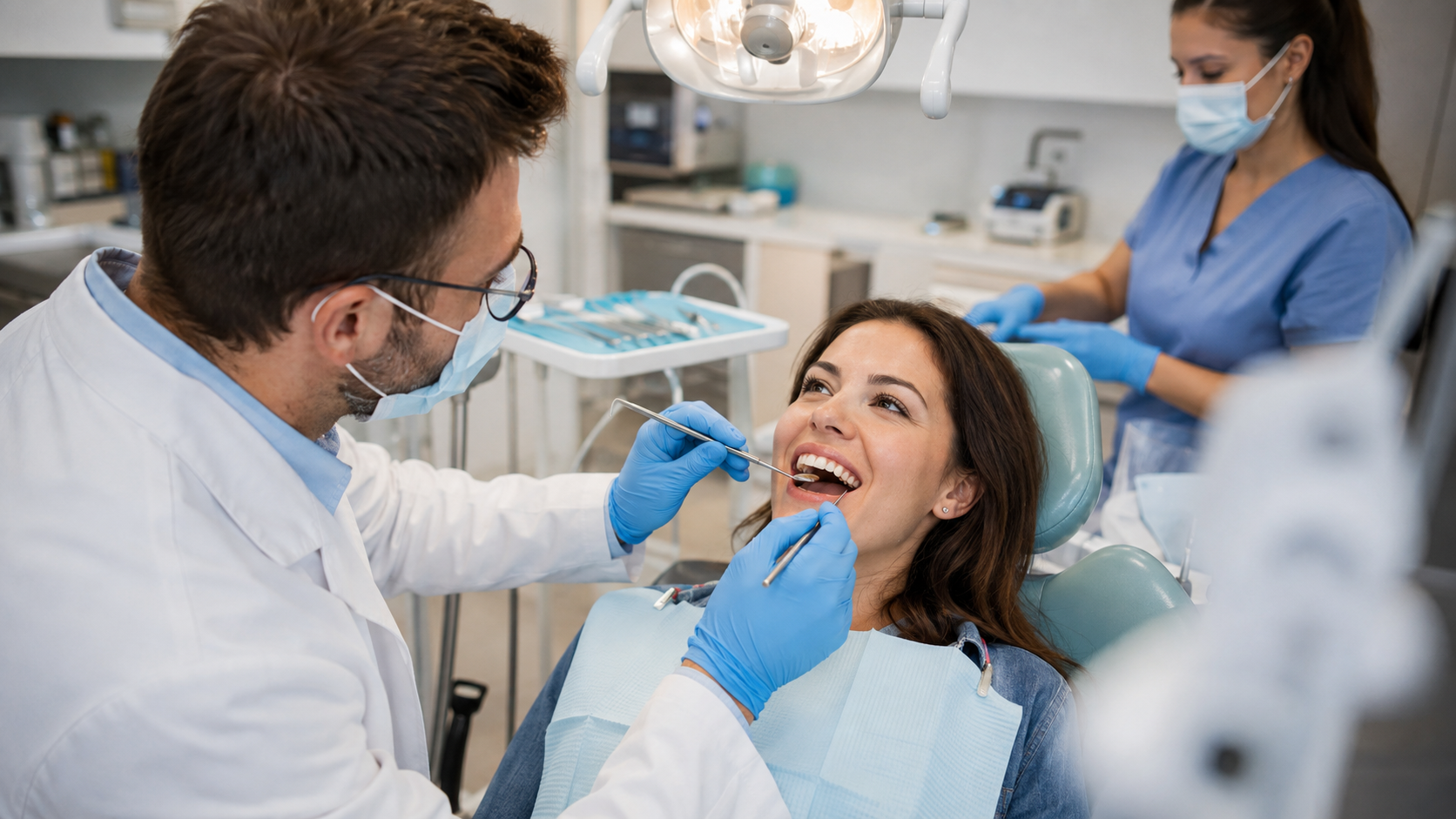
Implant dentistry focuses on replacing missing teeth using small implant posts placed in the jaw. The implant acts as an artificial tooth root and supports a custom-made restoration above the gumline.
An implant-based replacement commonly has three main parts:
- The implant: The post positioned within the jawbone.
- The abutment: A connector between the implant and the visible restoration.
- The restoration: A crown, bridge, or denture designed to replace the missing teeth.
The goal is to create a stable replacement that fits comfortably with the person’s bite and surrounding teeth. Unlike a removable appliance, an implant remains anchored in the mouth. However, the final design and expected results depend on the patient’s anatomy, health, and treatment plan.
Which Types of Tooth Replacement Can Implants Support?
Dental implants are versatile. They may be used when one tooth is missing, several teeth are absent, or an entire arch requires replacement.
Single-tooth implants
A single implant and crown may replace one missing tooth. This approach can restore the space without requiring the neighboring teeth to support a traditional bridge. The crown is shaped and shaded to coordinate with the surrounding smile.
Implant-supported bridges
When several neighboring teeth are missing, a bridge may attach to strategically placed implants. Not every missing tooth necessarily requires its own implant. The dentist plans the number and position of implants according to the bite, available bone, and design of the restoration.
Implant-supported dentures and full-arch restorations
Implants can also stabilize a removable denture or support a fixed full-arch restoration. These options may offer greater stability than a conventional denture, particularly during speaking and eating.
Smile Center CT describes dental implants and immediate implant options among its services. “Immediate” does not mean that every stage of healing is completed in one visit. In selected cases, an implant or temporary teeth may be placed promptly, while biological healing and preparation of the final restoration continue afterward. Eligibility requires an in-person evaluation.
Who May Be a Candidate for Dental Implants?
Many adults with missing or severely damaged teeth may be considered for implants, but candidacy is not determined by age alone. A dentist needs to evaluate the entire mouth and review the patient’s medical history.
Important considerations may include:
- The health of the gums and remaining teeth
- The amount and quality of bone in the planned implant area
- Smoking or nicotine use
- Medications and medical conditions that may affect healing
- Previous dental infections or extractions
- Bite forces, teeth grinding, and jaw function
- The ability to maintain daily oral hygiene and follow-up visits
Insufficient bone does not automatically rule out implant treatment. Depending on the location and extent of the deficiency, additional procedures may be discussed. Only an examination and appropriate dental imaging can show whether these steps are necessary.
What Happens During the Implant Dentistry Process?
The full process occurs in phases. Keeping those phases separate helps prevent confusion about what “healed” means at different points in treatment.
1. Consultation and treatment planning
The dentist examines the teeth, gums, bite, and planned implant site. Dental images help assess bone anatomy and the position of nearby structures. The patient can discuss goals, health history, comfort concerns, costs, and possible alternatives.
2. Preparatory care, when needed
Some patients need treatment before implant placement, such as managing gum inflammation, removing a non-restorable tooth, or improving bone support. Others may proceed without these additional steps. The sequence depends on the individual situation.
3. Implant placement
During placement, the area is numbed and the implant is positioned according to the treatment plan. Patients who feel anxious can ask what comfort and sedation options may be appropriate. Sedation choices depend on health history, the planned procedure, and the level of support offered by the dental practice.
4. Early symptom recovery
Early recovery refers to the period when post-procedure tenderness, swelling, or minor bleeding settles. These symptoms are different from complete healing. The dentist provides personalized instructions about eating, cleaning the area, medication use, and warning signs that require a call.
5. Soft-tissue healing
The gum tissue also needs time to close and mature around the surgical area. A site may look or feel better before deeper healing has finished, so patients should continue following activity and hygiene instructions even when discomfort has improved.
6. Osseointegration
Osseointegration is the deeper biological process in which the jawbone forms a stable connection with the implant surface. It is not the same as the end of soreness or surface gum healing. Healing capacity and how the implant is loaded can influence this phase. Published clinical literature also recognizes that an implant may occasionally fail to integrate, which can require removal and later reassessment.
7. Final restoration
After the dentist determines that the site is ready, the final crown, bridge, or implant-supported denture can be fitted. Bite adjustments may be necessary to make the restoration comfortable. The full treatment is considered complete only after the planned final restoration is delivered—not simply when the implant is placed or early symptoms disappear.
Are Dental Implants Painful?
The implant area is typically numbed during treatment. Afterward, some tenderness, swelling, bruising, or sensitivity can occur. The experience varies according to the complexity of the procedure, the number of implants, and whether additional treatment was performed.
Patients should contact the dental office if discomfort becomes worse rather than better, bleeding does not settle, swelling increases unexpectedly, fever develops, drainage appears, or the implant or temporary restoration feels loose. Implant complications can include infection, failure of integration, inflammation around the implant, and mechanical problems with the restoration. These outcomes are not inevitable, but prompt evaluation is important when something does not feel right.
How Long Does Dental Implant Treatment Take?
There is no reliable one-size-fits-all timeline. Treatment length depends on the condition of the site, whether a tooth must first be removed, the need for preparatory procedures, healing response, and the type of final restoration.
A patient may receive an implant or temporary restoration promptly in an appropriate case, but that does not mean osseointegration or the complete restorative process is finished. During the consultation, the dentist can explain the expected sequence and identify which milestones refer to symptom recovery, gum healing, deeper integration, and final tooth delivery.
How Much Does Implant Dentistry Cost?
Implant costs vary because treatment plans vary. The total may be influenced by the number of implants, imaging, preparatory care, sedation, restoration type, dental laboratory work, and follow-up needs.
Patients should ask for a written estimate that clearly identifies what is included. Helpful questions include whether the estimate covers the implant, abutment, temporary restoration, final crown or denture, imaging, and any recommended bone-related procedure.
Dental insurance may contribute to certain parts of treatment, but coverage and exclusions differ by plan. A dental office can help review benefits, although the insurance company makes the final coverage decision.
Caring for Dental Implants Over the Long Term
Implants cannot develop cavities, but the surrounding gums and bone still require consistent care. Plaque accumulation can contribute to inflammation around an implant, while excessive bite forces may place stress on the restoration or its components.
Long-term care generally includes:
- Brushing thoroughly with a soft-bristled toothbrush
- Cleaning around and between implant restorations as instructed
- Attending professional cleanings and implant evaluations
- Reporting bleeding, swelling, persistent bad taste, or looseness
- Using a recommended nightguard when grinding or clenching is a concern
- Avoiding tobacco and nicotine products
The dentist or hygienist may recommend specific floss, brushes, or other cleaning aids based on the restoration’s shape. Preventive visits also allow the team to examine the gum tissue, bite, implant stability, and condition of the crown, bridge, or denture.
Frequently Asked Questions About Implant Dentistry
Can a dental implant replace a tooth that has just been removed?
Sometimes an implant can be placed at the time of extraction, but not every site is suitable. Infection, bone anatomy, gum condition, and the ability to stabilize the implant all affect the decision. In other cases, the area needs to heal before placement.
Can older adults receive dental implants?
Age by itself does not determine candidacy. Oral health, bone support, medical conditions, medications, healing ability, and personal goals are generally more important. A health and dental evaluation is necessary.
Will implant teeth look natural?
Implant restorations can be designed to coordinate with nearby teeth in color, shape, and proportion. Appearance depends on factors such as gum levels, available space, bone anatomy, and the type of restoration. No dentist can promise an identical result for every patient.
Are implants better than dentures or bridges?
Each option has advantages and limitations. Implants may provide strong support and avoid relying on neighboring teeth in some cases, while bridges or conventional dentures may be more appropriate for other patients. The best choice depends on oral health, preferences, budget, anatomy, and treatment goals.
What happens if an implant feels loose?
A patient should contact the dentist promptly. Sometimes the restoration or a connecting component is loose rather than the implant itself, but only an examination can identify the cause. The patient should avoid chewing on the area until it is assessed.
Explore Implant Dentistry in Terryville, CT
Replacing missing teeth is a meaningful decision, and patients deserve clear explanations before choosing treatment. A thoughtful implant consultation should cover candidacy, alternatives, comfort options, expected phases of healing, maintenance, costs, and potential risks.
Smile Center CT provides dental implant services at its Terryville office at 47 Main St, Terryville, CT 06786. Patients interested in implant dentistry in Terryville, CT can contact the practice to request an evaluation, ask questions, and learn which tooth-replacement options may fit their needs. An in-person assessment is the appropriate next step toward a personalized recommendation.
