
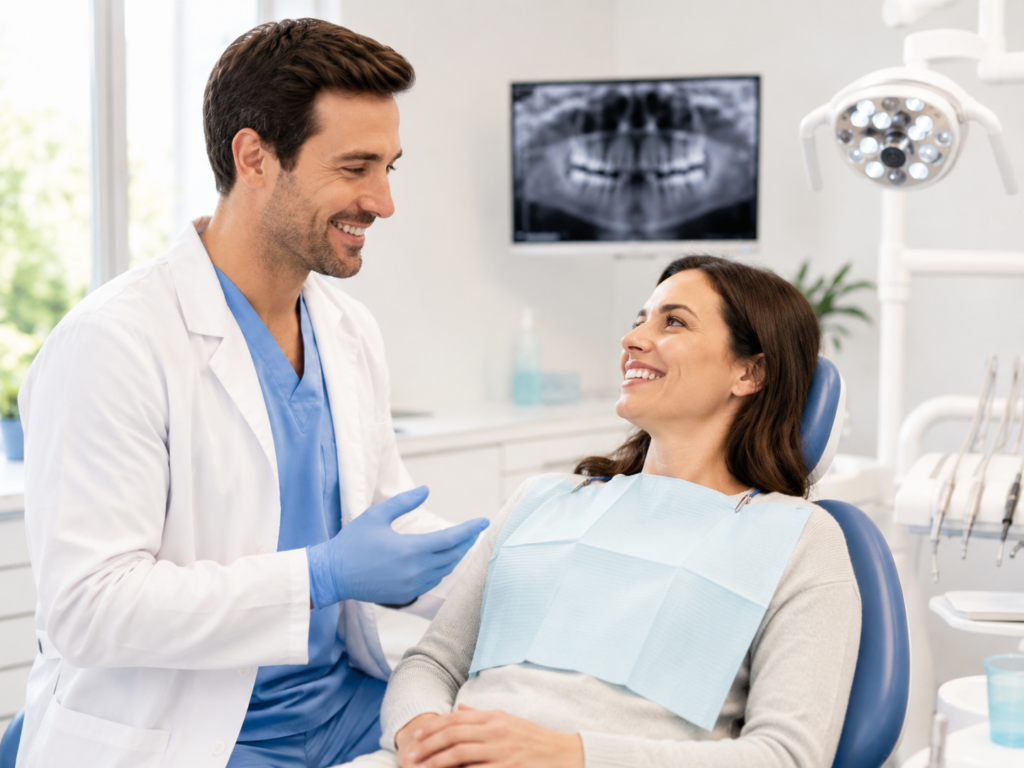
All-on-4 Terryville, CT: A Patient-Friendly Guide
Living with extensive tooth loss can make everyday activities—such as eating, speaking, and smiling—feel more difficult. Traditional removable dentures help many people, but they are not the only option. Patients researching All-on-4 in Terryville, CT may be interested in a more stable, implant-supported way to replace an entire row of teeth.
All-on-4 treatment uses a small number of dental implants to support a full-arch restoration. Although the name refers to four implants, the number and position needed can vary according to a patient’s bone structure, oral health, and treatment plan.
This guide explains the process in straightforward terms, including potential advantages, candidacy, recovery, costs, and important questions to ask before choosing treatment.
This article provides general educational information and is not a diagnosis or personalized treatment recommendation. A dentist or qualified implant clinician must evaluate your health, imaging, and individual needs before advising whether All-on-4 treatment is appropriate.
What Is All-on-4 Dental Implant Treatment?
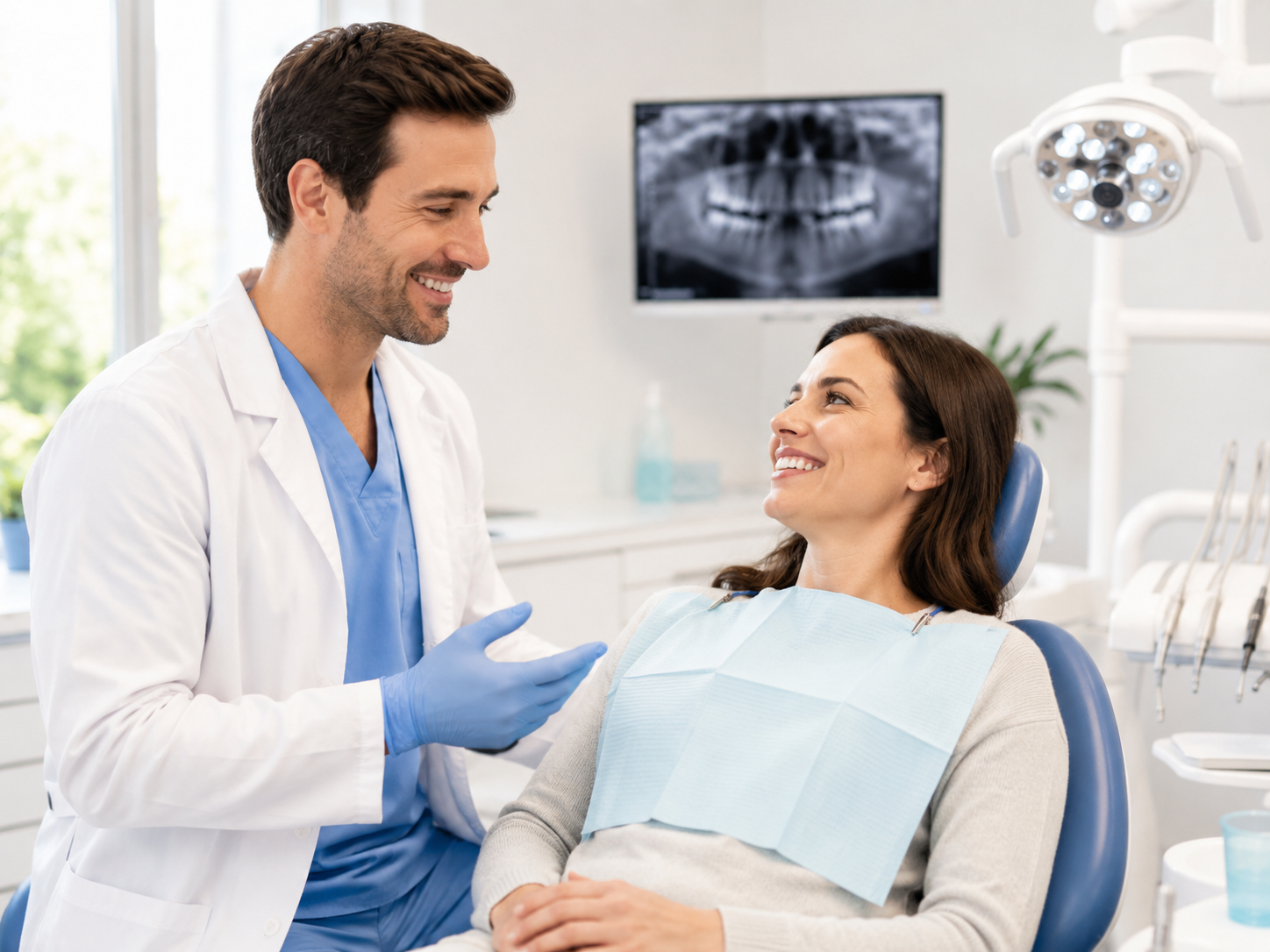
All-on-4 is a full-arch tooth replacement approach. Instead of placing an implant for every missing tooth, the dentist strategically places several implants in the jaw. Those implants act like anchors for a connected set of replacement teeth.
A full arch replaces the teeth across either the upper jaw, the lower jaw, or both. The restoration stays attached to the implants rather than resting only on the gums. Patients generally do not remove it for routine cleaning, although a dental professional may remove certain restorations when maintenance or repair is needed.
All-on-4 is different from a single dental implant, which replaces one missing tooth, and from a removable denture, which can be taken out at home. The right option depends on how many teeth are missing, the condition of the remaining teeth, available bone, health considerations, and personal priorities.
Who Might Consider All-on-4?
This approach may be discussed with adults who have lost most or all of the teeth in one jaw. It may also be considered when the remaining teeth have extensive problems and cannot predictably support long-term dental function.
Possible candidates may include people who:
- Already wear a full or partial removable denture
- Have many missing, loose, broken, or severely damaged teeth
- Want to learn about a fixed alternative to removable dentures
- Have enough healthy bone to support implants or are eligible for another preparation strategy
- Can maintain daily oral hygiene and attend ongoing dental visits
- Have medical conditions that are appropriately managed
Candidacy cannot be determined from symptoms or photographs alone. A dentist will need to examine the mouth and review appropriate imaging. The evaluation also considers gum health, bite forces, medications, tobacco use, previous dental treatment, and medical history.
What if some natural teeth remain?
Having several damaged teeth does not automatically mean they should all be removed. A careful examination can identify which teeth may be worth preserving and whether another treatment plan would be more conservative.
Depending on the situation, alternatives may include treating and retaining natural teeth, replacing individual teeth with implants, using an implant-supported removable denture, or choosing a conventional denture. A well-planned consultation should explain reasonable options rather than presenting only one path.
What Happens During the All-on-4 Process?
1. Consultation and records
Treatment begins with a conversation about the patient’s concerns and goals. The dental team examines the teeth, gums, bite, and jaw. Photographs, scans, X-rays, impressions, or digital records may be used to plan implant positions and the shape of the future teeth.
This is also the time to discuss medical history. Patients should bring a current medication list and share information about allergies, previous surgeries, tobacco or nicotine use, diabetes, bleeding concerns, and other health conditions.
2. Personalized treatment planning
The dentist uses the examination and imaging to determine whether implant treatment is suitable. The plan may address unhealthy teeth, active gum problems, infection, bone limitations, or bite concerns before implants are placed.
Some patients can receive a temporary fixed restoration around the time of implant placement. Others need a different sequence. “Immediate teeth” does not mean the implants have finished integrating with the jaw, and it does not guarantee that every patient can leave with the same type of temporary restoration.
3. Implant placement
During the surgical visit, any planned extractions may be completed and the implants are placed in selected areas of the jaw. Comfort options depend on the procedure, health history, and services available. Patients should ask in advance what type of anesthesia or sedation is being considered and whether transportation will be required.
4. Temporary restoration and healing
If appropriate, a temporary set of teeth may be connected to the implants. It is designed to provide appearance and limited function while the mouth heals, but patients usually need to protect it and follow dietary instructions carefully.
Healing involves several separate phases:
- Early symptom recovery: Swelling, tenderness, bruising, and changes in comfort are most relevant during the early postoperative period. The dental team provides instructions for managing these symptoms and explains which changes require a call.
- Soft-tissue healing: The gums continue closing and adapting around the treatment area after initial discomfort starts to settle.
- Osseointegration: Beneath the gums, the bone gradually forms a stable connection with the implant surfaces. A patient may feel comfortable before this biological process is complete.
- Final restoration: Once the clinical team confirms that healing and implant stability are appropriate, records can be completed for the final teeth. The full treatment is not necessarily finished when early symptoms disappear.
Each phase follows an individual course. The dentist should provide a personalized schedule rather than relying on a single timeline for every patient.
Potential Benefits and Limitations
Patients often explore All-on-4 because implant-supported teeth may feel more stable than a conventional removable denture. A connected restoration can also eliminate the need to remove the teeth at home each night.
Potential advantages may include:
- A fixed full-arch restoration
- Improved stability compared with a denture that rests only on the gums
- Replacement of multiple teeth through one coordinated treatment plan
- A smile designed around facial appearance, bite, and speech
- Fewer implants than would be required to replace every tooth individually
However, implant treatment is not maintenance-free or risk-free. Possible concerns include infection, delayed healing, implant instability or failure, restoration wear, bite problems, and injury to nearby structures. Certain health conditions and habits may also affect healing or long-term predictability.
Replacement teeth can chip, loosen, or wear over time, just as natural teeth and other dental restorations can. Future professional maintenance, repairs, or replacement of components may be needed. A clinician should review the benefits, limitations, alternatives, and patient-specific risks before consent.
Eating and Caring for Implant-Supported Teeth
Patients may be asked to follow a modified or soft-food diet while the implants heal. Even when temporary teeth feel secure, biting hard or chewy foods too soon can place unwanted pressure on the implants and restoration. The treating dentist’s instructions should take priority over general online advice.
Long-term home care remains essential. Food and plaque can collect around and underneath a full-arch restoration. The dental team may recommend tools such as an electric toothbrush, water flosser, interdental brush, or specialty floss based on the design of the restoration and the patient’s dexterity.
Routine professional care allows the team to monitor the gums, implants, bite, and restoration. Patients should not wait for pain before scheduling maintenance because some implant or gum problems can begin with subtle signs.
How Much Does All-on-4 Cost in Terryville, CT?
There is no single fee that applies to every patient. Cost depends on the number of arches treated, required extractions, imaging, sedation, bone-related procedures, temporary teeth, final restoration materials, and the complexity of the case.
When reviewing an estimate, patients should ask what the quoted fee includes. Useful questions include:
- Are the consultation and diagnostic records included?
- Does the estimate include extractions or other preparatory treatment?
- Are both temporary and final teeth included?
- What type of final restoration is planned?
- Are follow-up appointments included during healing?
- What future maintenance or repair costs should be anticipated?
- Are financing or phased-payment options available?
Dental insurance coverage varies by plan. The dental office can help patients understand estimates and available benefits, but the insurance company makes the final coverage decision.
Questions to Ask at an Implant Consultation
A clear consultation should leave a patient feeling informed rather than pressured. Consider bringing a written list of questions, such as:
- Why is All-on-4 being recommended for this specific case?
- Can any natural teeth be preserved?
- What alternatives should be considered?
- Will another clinician participate in the surgical or restorative care?
- What comfort or sedation options are available?
- What will the temporary teeth look and feel like?
- How will progress be evaluated before the final restoration?
- What diet and cleaning routine will be required?
- Whom should the patient contact if a concern develops after treatment?
Frequently Asked Questions
Are All-on-4 teeth removable?
The restoration is generally designed to remain attached to the implants rather than being removed by the patient each day. A dental professional may remove it when clinically necessary for service, repair, or maintenance.
Can All-on-4 treatment be completed in one day?
Implants and temporary teeth may sometimes be placed during the same stage, but that does not mean the entire treatment and biological healing process are complete. Osseointegration, follow-up care, and fabrication of the final restoration occur later. Same-day temporary teeth are not appropriate or possible for every patient.
Is All-on-4 painful?
Comfort measures are used during treatment, and the dental team can explain what to expect afterward. Postoperative tenderness and swelling can occur, but the experience varies. Patients should contact the treating office about severe, worsening, or unexpected symptoms.
Can someone with bone loss qualify?
Possibly. The amount and location of bone matter, and not all bone loss is the same. Imaging and a clinical examination are necessary to determine whether All-on-4, additional preparation, or another tooth-replacement approach is more appropriate.
How long do All-on-4 teeth last?
No dentist can guarantee a specific lifespan. Longevity depends on healing, health, hygiene, bite forces, habits, maintenance, and restoration materials. Implants and the attached teeth are also different components, so one part may need service even if the others remain healthy.
Can All-on-4 develop cavities?
The replacement teeth do not develop cavities like natural enamel. However, plaque can still irritate the gum and bone around implants, and restoration components can wear or become damaged. Daily cleaning and professional maintenance remain important.
Explore All-on-4 in Terryville, CT
All-on-4 can offer a fixed full-arch option for some people with extensive tooth loss, but good treatment begins with careful evaluation and realistic expectations. Patients should understand the alternatives, healing process, home-care responsibilities, risks, and complete fee before making a decision.
Smile Center CT offers All-on-4 consultations for patients interested in learning whether implant-supported teeth may fit their needs. The practice is located at 47 Main St, Terryville, CT 06786. Patients can contact the office to schedule a personalized evaluation, ask questions, and discuss appropriate next steps without assuming that one solution is right for everyone.
